


Supporting Clients With Obesity And Diabetes Course
- CIMSPA Endorsed Course – 10 CPD Points
- 0% Finance Options Available with a range of lenders.
- Updated 2026 Curriculum with Current GLP-1 Content
- Natural Progression for Personal Trainers and Exercise Referral Professionals
- CIMSPA Endorsed Course – 10 CPD Points
- 0% Finance Options Available with a range of lenders.
- Updated 2026 Curriculum with Current GLP-1 Content
- Natural Progression for Personal Trainers and Exercise Referral Professionals
CIMSPA Endorsed Obesity and Diabetes CPD
Current, applied education for a fast-changing client need
This CIMSPA-endorsed course is awarded 10 CPD points and has been comprehensively updated for 2026. It gives exercise professionals practical, evidence-informed education for supporting people living with obesity, diabetes and metabolic syndrome—while staying within professional scope and working effectively with healthcare referral pathways.
The updated curriculum includes contemporary weight-management practice, including GLP-1 medications and bariatric surgery, with specific attention to preserving muscle mass, physical function and long-term health during weight loss.
It is a natural next step for qualified personal trainers who want to deepen their knowledge and work more confidently with a growing client population. Exercise Referral is valuable preparation, but is not mandatory for appropriately qualified applicants.
- Understand obesity, diabetes and metabolic syndrome in greater depth.
- Screen clients, interpret risk and recognise when referral is required.
- Plan safe, individualised activity that reflects health status, medication use and client goals.
- Support sustainable behaviour change, metabolic health and weight management.

Grow your Career Today
Study our Supporting Clients With Obesity and Diabetes Course
Course content
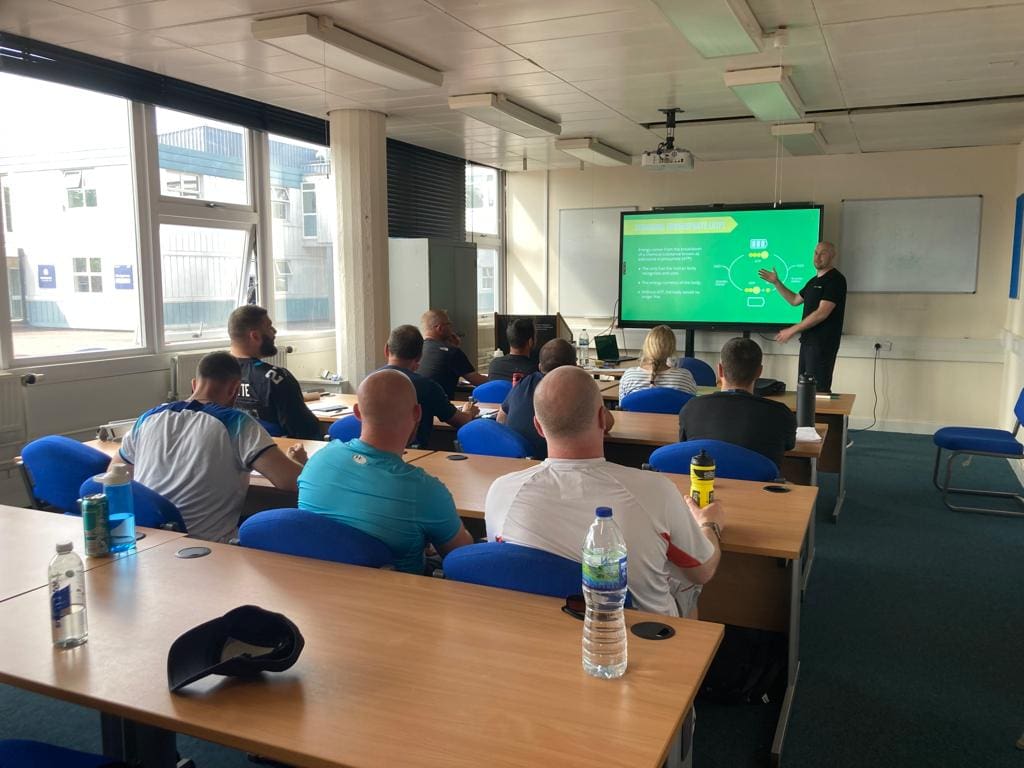
Module 1: Prevalence, classification and current management
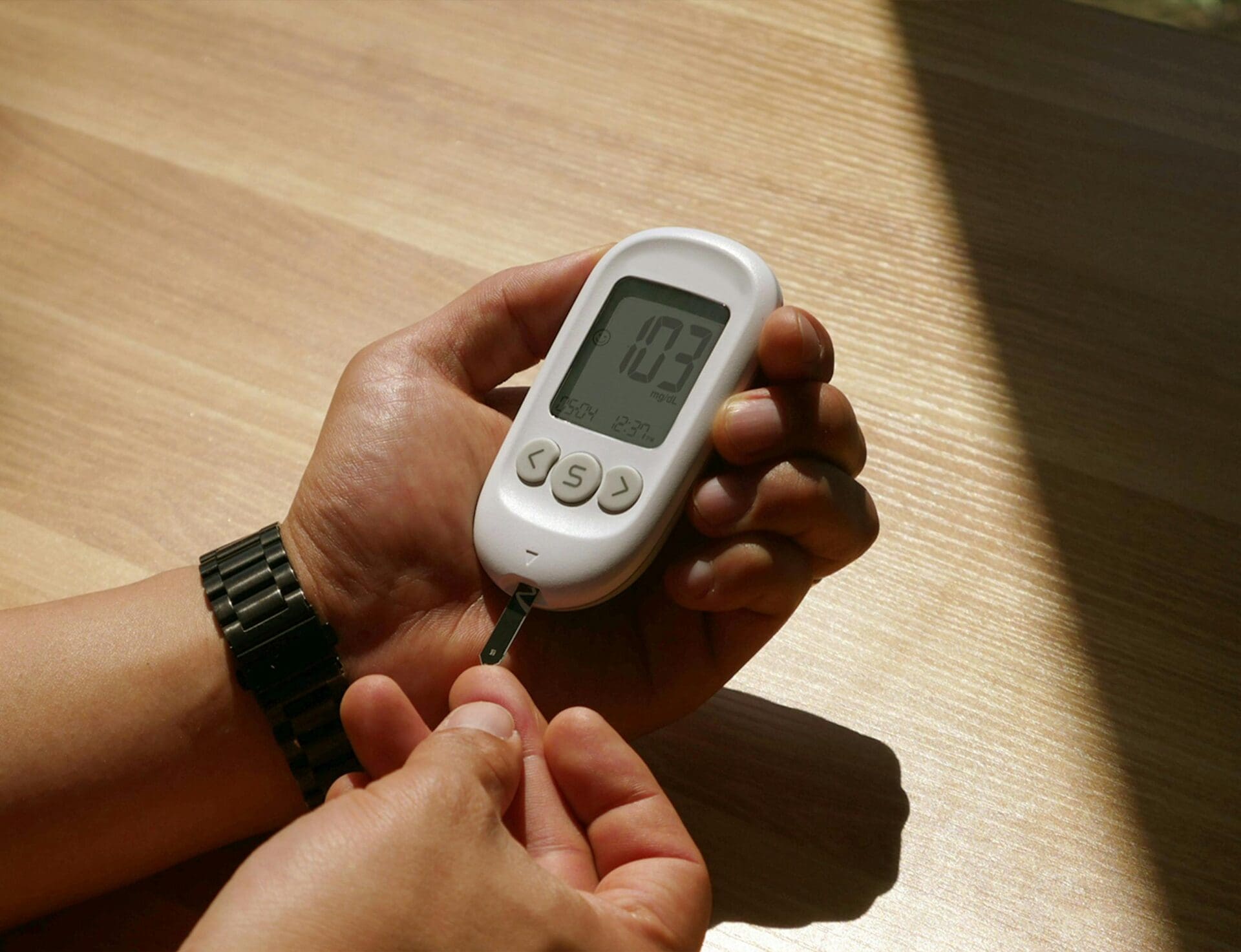
Explore national and global prevalence, person-first language, obesity classification, BMI and waist-based measures, body composition, ethnicity-specific risk, diabetes classifications, metabolic syndrome, diagnostic criteria and monitoring technologies.
You will also examine current lifestyle and pharmacological management—including the role and practical implications of GLP-1 medications—so your decisions reflect contemporary practice rather than outdated assumptions.
Module 2: Development and pathophysiology
Understand how genetic, behavioural, environmental, dietary, endocrine and physiological factors influence obesity and diabetes. Study insulin resistance, metabolic dysfunction, adipose tissue, inflammation, cardiovascular risk and the short- and long-term health implications for clients.
This scientific foundation helps you see the whole person, communicate sensitively and understand why progress, barriers and support needs differ between clients.
Module 3: Assessment, programming and long-term support
Apply health screening, anthropometric assessment, risk stratification, medical-history review, medication considerations, contraindications and referral pathways. Learn to design, justify, monitor and progress safe, individualised physical-activity programmes.
The updated 2026 content strengthens exercise programming during GLP-1 use and after bariatric surgery, including preserving muscle mass, physical fitness and function. It also covers nutrition and weight-management principles within scope, person-centred behaviour change and reviewing outcomes.

What you will be able to do
- Explain the development and health implications of obesity, diabetes and metabolic syndrome.
- Use appropriate screening tools and recognise their strengths and limitations.
- Interpret relevant health information, medications and contraindications.
- Design evidence-informed activity and lifestyle programmes around the individual.
- Support nutrition, weight management and sustainable behaviour change within scope.
- Evaluate outcomes, adapt programmes and refer appropriately.
Assessment combines a knowledge test with an applied case study, helping you demonstrate both understanding and professional decision-making.

Grow your Career Today
Build specialist knowledge that clients increasingly need.
A worthwhile progression pathway
This course turns a broad personal-training foundation into more confident, responsible practice with people living with obesity, diabetes and metabolic health conditions. It helps you have better conversations, make safer programming decisions and add meaningful depth to the support you offer.
For many trainers it is the logical progression after Level 3 Personal Training, with Exercise Referral providing an additional useful foundation. It can also support progression toward wider long-term-condition, clinical exercise and wellbeing pathways.

Flexible online study with expert support
Study online at your own pace through structured learning, guided reading, realistic client scenarios and applied activities. You will have tutor support throughout, plus feedback on your assessments so you can turn the theory into safe professional practice.
The course is designed for working fitness professionals who want substantial specialist development without stepping away from their clients or existing commitments.

Supporting Clients With Obesity And Diabetes Course
The prices below are with our huge limited offers! You can split payments over 36 Months at 0% APR.
Obesity and Diabetes Course Offers
- £451.75 (
£695) - 36 Month Payment options available at up 0% Interest with DivideBuy. Click here for more info
Obesity and Diabetes Course FAQs
Clear answers about course status, scope and current content.
No. This is a current The Fitness Group CPD course, endorsed by CIMSPA for 10 CPD points. It is specialist continuing education rather than a regulated Active IQ qualification.
The 2026 course covers obesity and diabetes, exercise planning, behaviour change, common medications, GLP-1 therapies and practical considerations following bariatric surgery.
Qualified trainers can provide appropriate physical activity support within their training, insurance and scope of practice. Screening, referral and collaboration with healthcare professionals remain essential.
It explains how GLP-1 therapies may affect appetite, energy, hydration, muscle retention and exercise participation. Prescribing or changing medication remains the responsibility of the client's healthcare team.